Modern manufacturing runs on accuracy, repeatability, and speed. If a part is even slightly off, the whole system can feel it. That’s why CNC precision turned parts have become such a big deal. These are not fancy extras. They’re the quiet backbone of industries that cannot afford mistakes. We’re talking aerospace, medical devices, automotive systems, electronics. Places where “close enough” is not an option. This is exactly where high-end turning processes step in and keep everything tight, clean, and consistent.
Understanding Precision Turned Parts in Manufacturing
At its core, precision turning is simple to explain but hard to master. A metal bar spins at high speed while a cutting tool shapes it down to exact measurements. Everything is controlled by CNC programming, not hand tools or guesswork. That’s how CNC precision turned parts are made, with the same cut, the same shape, and the same accuracy every single time. These parts show up everywhere: shafts, pins, connectors, threaded components, tiny mechanical pieces that hold bigger machines together. Research and industry data consistently show that CNC turning improves consistency, reduces variation, and keeps dimensions stable across large production runs. And honestly, that’s the whole point. The importance of precision turned parts comes down to one thing: reliability when it actually matters.
1. High Dimensional Accuracy and Repeatability
This is where CNC turning really earns its reputation. Once a program is set, the machine doesn’t “drift.” It doesn’t get tired. It doesn’t improvise. It just repeats the same movement with exact control. That’s how you get parts that match drawings down to extremely tight tolerances, often used in aerospace and medical-grade components.
What that actually means in real life:
- Parts fit the first time properly
- No constant rework or adjustments
- Less scrap sitting in bins
- Systems that just work the way they’re supposed to
In industries where failure is not an option, this level of control is everything.
2. Consistency Across Mass Production
Here’s something manufacturers care about a lot: consistency. You don’t just need one good part. You need 10,000 identical ones. That’s where CNC turning really shows its strength. Once the setup is locked in, every unit follows the exact same path, with no drift and no variation between operators. That’s why the benefits of custom precision turned parts are such a big deal for OEMs and global supply chains. Less human input also means fewer mistakes. And fewer mistakes mean fewer delays, returns, and headaches.
3. Cost Benefits of CNC Turned Parts
People sometimes assume precision manufacturing is expensive. Upfront, sure, CNC machines are not cheap. But long-term, the math flips fast. The cost benefits of CNC turned parts come from efficiency, not shortcuts.
You get:
- Less material waste because cutting paths are optimized
- Lower labor costs since machines run automatically
- Faster production cycles with fewer interruptions
- Reduced finishing work after machining
Studies in CNC manufacturing show that automation significantly improves cost efficiency, especially at scale. So while the setup is technical, the outcome is simple: lower cost per part over time.
4. Ability to Work With Complex Designs
This is where modern CNC really shows off. Parts today are not simple cylinders anymore. They’re layered, detailed, and often packed with features like grooves, threads, micro-holes, and tight internal geometries. Advanced CNC turning centers, especially Swiss-style machines, can do multiple operations in one go. No need to move the part around between machines. That alone improves accuracy. As noted in machining industry sources, multi-axis turning reduces setup time and improves alignment precision. This is exactly why Swiss CNC machining service providers are so important for high-detail work.
They handle:
- Micro components
- Aerospace connectors
- Medical-grade parts
- High-precision fasteners
Basically, anything small, complex, and unforgiving.
5. Improved Surface Finish and Performance
A part can be accurate but still fail if the surface is rough or inconsistent. That’s why finish quality matters more than people think. CNC turning produces smooth, controlled finishes straight off the machine. In many cases, you don’t even need extra polishing.
And that has a real impact:
- Less friction in moving assemblies
- Better sealing in mechanical systems
- Longer lifespan of components
- More stable performance under stress
In industries like automotive and medical, surface finish is not cosmetic. It directly affects function.
6. Material Flexibility and Engineering Strength
One of the underrated strengths of CNC turning is how flexible it is with materials. You’re not locked into one type of metal. You can work with stainless steel, titanium, brass, aluminum, and high-performance alloys without changing the core process. That gives engineers room to design based on function, not manufacturing limits. So whether the priority is strength, corrosion resistance, heat tolerance, or weight reduction, CNC turning can handle it. It also supports both early prototyping and full-scale production, which makes it practical from start to finish.
7. Efficiency Through Automation and Swiss CNC Technology
Swiss machining takes CNC turning a step further. Instead of holding the material far from the cutting point, Swiss-style machines support it very close to where the cutting happens. That reduces vibration and improves control, especially for small or long parts. That stability is a game-changer for precision work.
With this setup, manufacturers can:
- Run high-speed production without losing accuracy
- Reduce vibration in delicate parts
- Improve consistency in micro components
- Keep machines running longer without interruption
That’s why Swiss CNC machining manufacturers are trusted for high-risk, high-precision industries.
8. Faster Product Development and Scalability
Speed matters now more than ever. Once a CNC program is built, it can move from prototype to production without rethinking the whole process. That saves time at every stage. And when demand changes, scaling is simple. You don’t rebuild the system. You just adjust the output.
That helps companies:
- Launch products faster
- Test and refine designs quickly
- Scale production without chaos
It keeps manufacturing flexible instead of locked in.
Why Precision Turned Parts Matter Today
Modern systems are tighter, faster, and more demanding than ever. There’s no room for inconsistency anymore. That’s why the importance of precision turned parts keeps growing. They bring stability to complex systems and reduce risk where it matters most. They’re not just parts. They’re what keep everything aligned, literally and functionally.
Final Thoughts
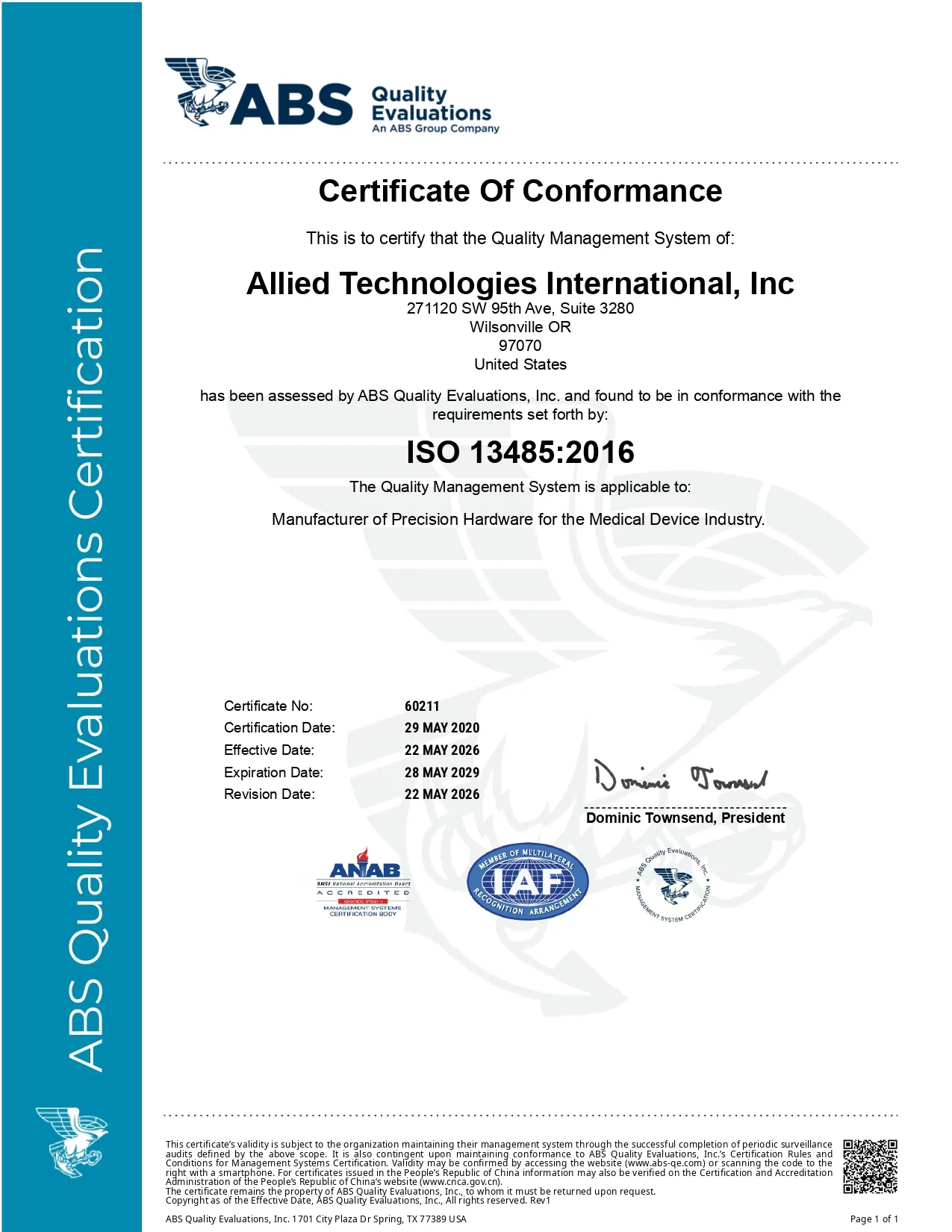
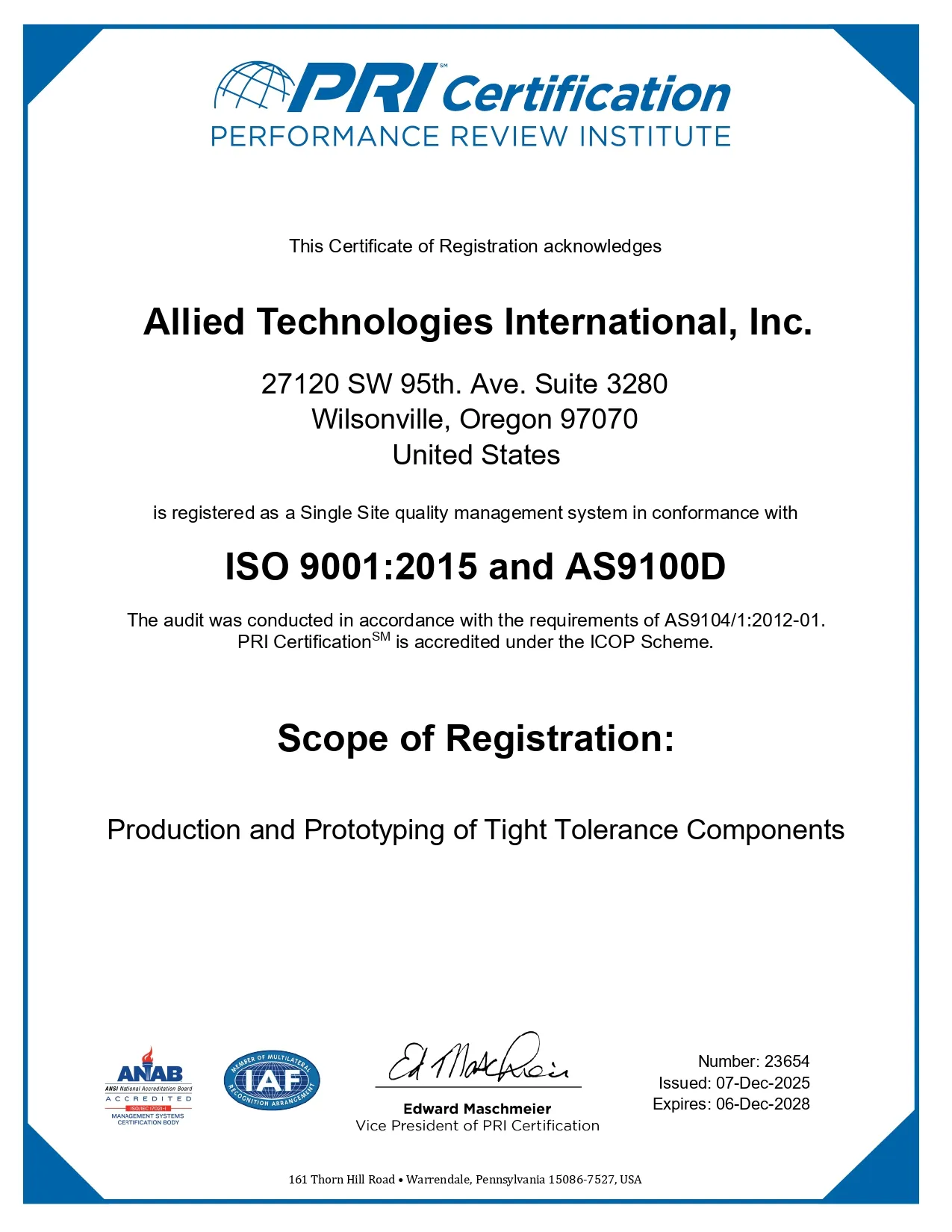
At the end of the day, precision turned parts are not about machining. They’re about trust in performance. You’re trusting that every piece will fit, function, and last exactly as expected. That’s what CNC turning delivers when it’s done right. Companies like Allied Technologies International operate in this space by supporting industries that need accuracy without compromise. From prototypes to large-scale production, they help keep manufacturing consistent when it matters most. And as products keep getting more advanced, the demand for precision isn’t slowing down anytime soon. It’s only getting sharper.