Product development sounds clean in theory. You design it, build it, ship it, and call it done. In reality, it’s messy. Specs change, timelines tighten, and waiting on parts slows everything down. That’s where quick turn CNC machining earns its place. It keeps projects moving when speed actually matters, without turning quality into a gamble. Pair that with Swiss style CNC machining, and you’re not just moving fast. You’re moving with precision. This approach works because it matches how products are really built, not how they look in a planning doc.
What Quick Turn CNC Machining Really Means
Quick turn CNC machining is about compressing lead times without compromising accuracy. Instead of waiting weeks for parts to come off a machine, you’re working in days. Sometimes less. The difference is not magic. It comes from experience, efficient setups, and knowing which machine fits which job. Swiss style CNC machining fits naturally into this process. These machines support the material close to the cutting tool, which reduces vibration and keeps tolerances tight. That matters when parts are small, complex, or unforgiving. The point of quick turn CNC machining is simple. You get real, functional parts faster, so decisions are based on reality instead of assumptions.
Speed Without Losing Control
Speed gets a bad reputation because people assume it means rushing. In CNC machining, speed comes from control. Once a program is dialed in, the machine does the same thing every time. No guessing. No fatigue. No inconsistency. Swiss style CNC machining is especially strong here. The machine design allows for aggressive precision without introducing instability. That means you can move quickly while still hitting tight tolerances. When quick turn CNC machining is done right, the parts you get are not “good for now.” They are good, period. The same accuracy you expect in production shows up in your first batch.

Why It Works So Well for Prototyping
Prototyping is about learning fast, not making something pretty. You need parts you can test, break, assemble, and stress. Waiting weeks for a prototype kills momentum and hides problems until they are expensive to fix. Quick turn CNC machining shortens that feedback loop. You adjust a design and quickly see how it behaves in the real world. That changes how teams work. Decisions get sharper. Iterations get smarter. Swiss style CNC machining matters here because prototypes often need to reflect final conditions. You are not approximating tolerances or materials. You are testing parts that behave like production components. This means issues show up early, when they are still easy to fix.
From Prototype to Low-Volume Production
Not every product jumps straight into high-volume manufacturing. Many live in low-volume production for a long time, especially in aerospace, medical, and industrial applications. Quick turn CNC machining fits this stage well because it stays flexible. You can produce smaller runs, adjust designs as needed, and respond to demand without committing to expensive tooling.
Here is where CNC machining really earns its keep across both prototyping and production:
- Small to mid-size production runs stay cost-effective
- Design changes do not require starting over
- Lead times stay predictable
- Quality remains consistent from part one to part one hundred
You are not locked into a process that only makes sense at a massive scale.
Material Flexibility Without Compromise
Another reason quick turn CNC machining works across different stages is material flexibility. You are not forced into one material just because it is easier to manufacture. Whether you need aluminum, stainless steel, titanium, or engineered plastics, CNC machining handles them reliably. Swiss style CNC machining keeps precision high even when materials are difficult to work with, or parts are extremely small. That consistency matters when parts are going into real environments, not just test benches.
Faster Parts Mean Lower Risk
Long lead times hide problems. The longer you wait for parts, the more issues appear. By the time something goes wrong, you are already deep into the process. Quick turn CNC machining reduces that risk. Faster parts mean faster feedback. Problems surface earlier, when fixes are cheaper, and timelines are still flexible. That is how teams avoid painful surprises late in development.
Choosing the Right Machining Partner
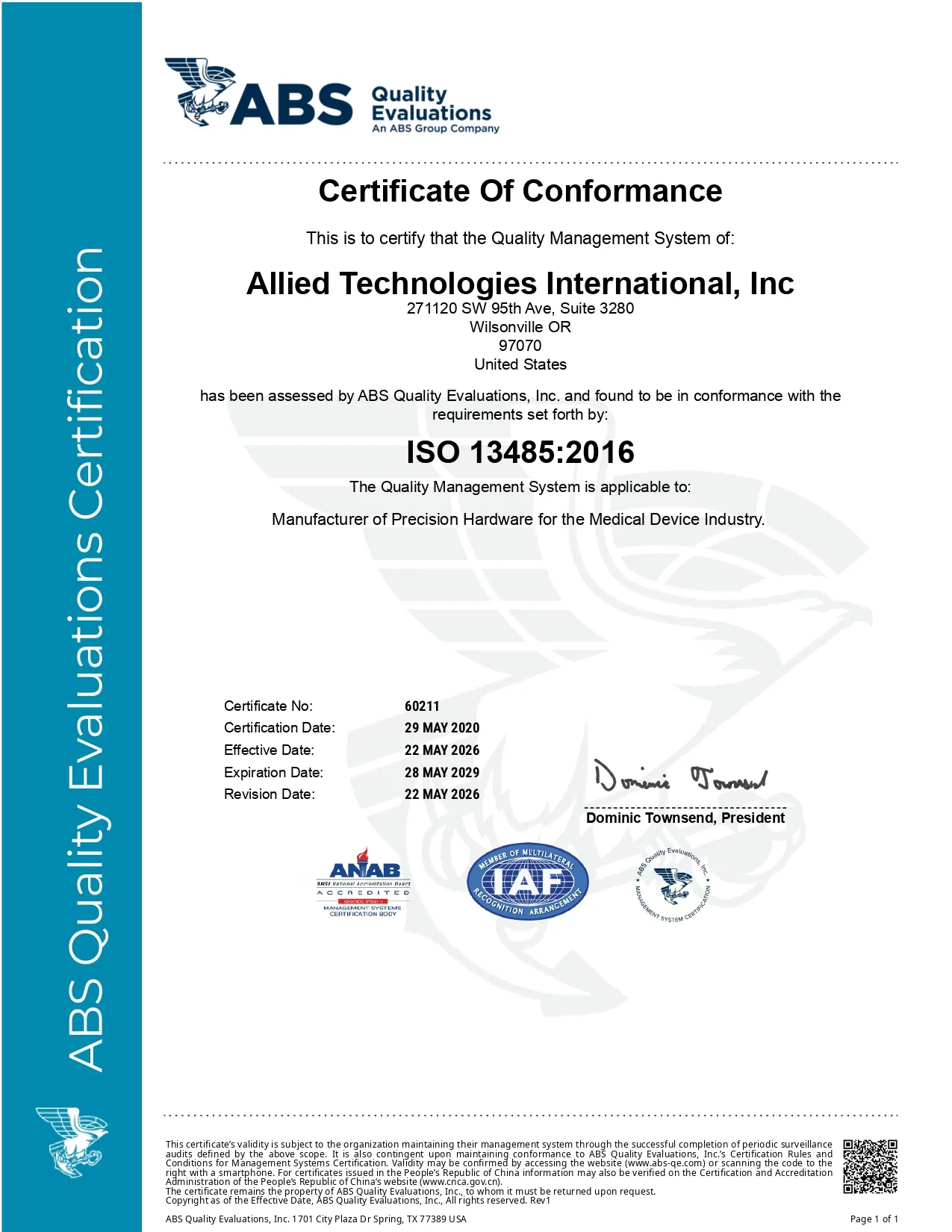
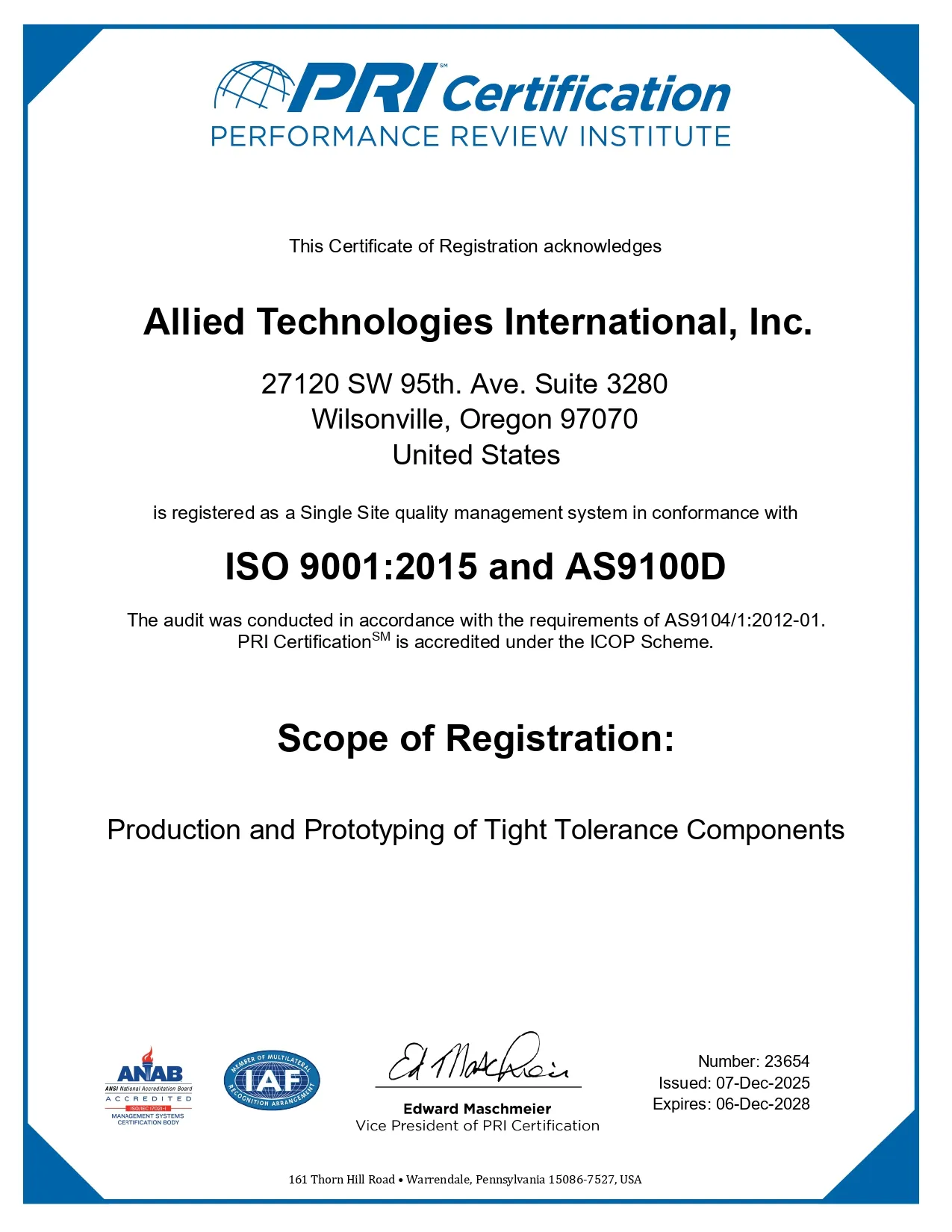
Speed and precision only matter if the shop delivering the parts knows what they are doing. This is where experience makes the difference. Allied Technologies International focuses on quick turn CNC machining and Swiss style CNC machining for both prototypes and production. They understand how to balance speed with accuracy and how to keep projects moving without creating downstream problems. That kind of experience shows up in part quality, communication, and reliability.
Final Thoughts
Quick turn CNC machining is not a shortcut. It is a smarter way to build. It supports how products are actually developed, from early prototypes to low-volume production and beyond. When precision, speed, and flexibility all matter, combining quick turn CNC machining with Swiss style CNC machining gives you an edge. If you need parts you can trust without losing time, Allied Technologies International is built for exactly that.
Get precision parts faster with Allied Technologies International.