 Skip to content
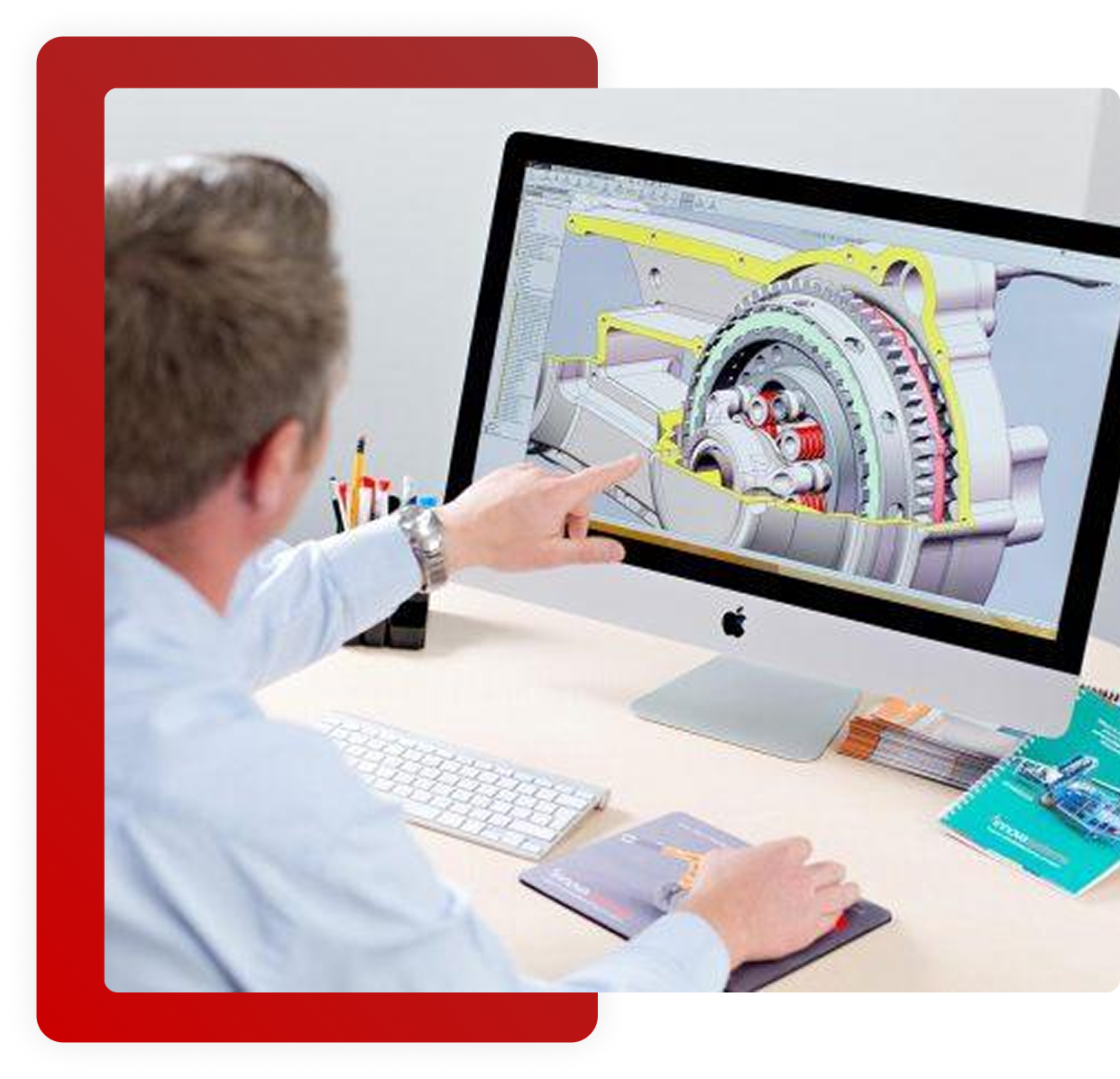
When a part ends up inside something critical, there’s no fallback if it’s off. Allied Technologies International machines turned components that are expected to hit spec and stay there. Tight tolerances, complex geometries, and no variation from one batch to the next.
This work is about control, not volume. Every run is dialed in to handle demanding materials and repeat results without drift. Aerospace, medical, and similar environments depend on that level of consistency, where even a small deviation can create bigger problems down the line.
When a turned part is even slightly off, it doesn’t just sit wrong. It affects how everything around it fits, moves, and wears over time. That’s why precision turning isn’t optional. It’s what keeps parts behaving the way they were designed to at Allied Technologies International.
 Keeps tolerances tight so parts fit and function the way they’re supposed to
Delivers consistent turned parts across batches without unexpected variation
Maintains concentricity and dimensional accuracy for stable rotation and load handling
Produces smoother surface finishes that reduce friction and premature wear
Makes complex geometries possible in fewer setups, reducing error buildup
Handles material behavior like heat and tool wear without drifting out of spec
Prevents tolerance stack-up that can throw off full assemblies
Supports repeatable production where every part performs the same in real use
Keeps tolerances tight so parts fit and function the way they’re supposed to
Delivers consistent turned parts across batches without unexpected variation
Maintains concentricity and dimensional accuracy for stable rotation and load handling
Produces smoother surface finishes that reduce friction and premature wear
Makes complex geometries possible in fewer setups, reducing error buildup
Handles material behavior like heat and tool wear without drifting out of spec
Prevents tolerance stack-up that can throw off full assemblies
Supports repeatable production where every part performs the same in real use 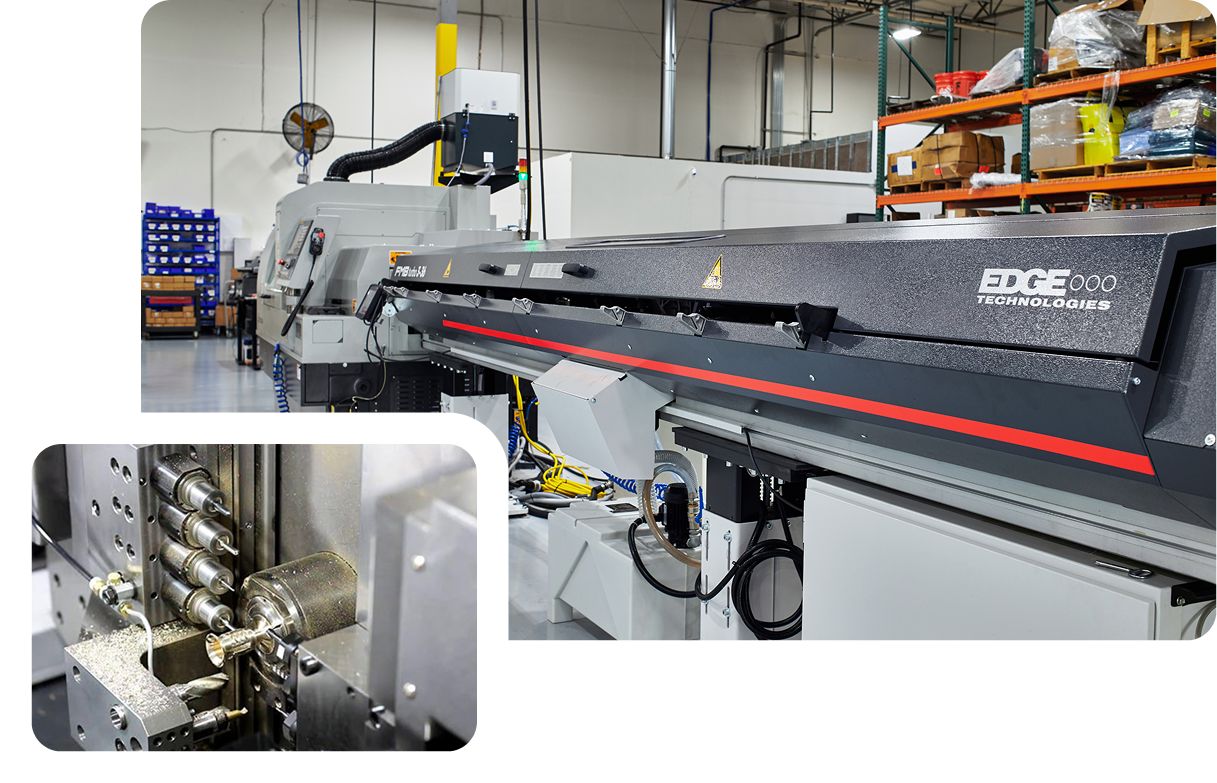

Not every design machines the way it’s drawn. We adjust features, tolerances, and geometry so parts hold in production without instability, rework, or added complexity.

Early parts are cut under real conditions to verify fit, tolerances, and surface finish. That catches issues early, before moving from one-off builds into repeat production.

CNC turning is built for repeatability, holding tolerances as tight as ±0.005 mm when the process is stable. That consistency is what keeps assemblies predictable across every batch.

Multiple operations like boring, threading, and grooving can be completed in one setup, reducing repositioning errors and improving concentricity and alignment between features.

Turning can achieve surface finishes around Ra 0.8–1.6 µm depending on material, tooling, and setup. Getting that right reduces friction, controls wear, and avoids sealing issues that usually don’t show up until the part is in use.

Holding tight tolerances depends on controlling tool wear, heat, and machine stability. Without that, dimensions drift during a run. Precision turning accounts for these variables in-process.
Get precision CNC turned components delivered consistently with Allied Technologies International.
Contact Us
Browse our frequently asked questions to learn more about our precision machining capabilities, certifications, materials, lead times, and global manufacturing support, and discover how Allied Technologies International delivers reliable solutions for mission-critical industries.

We’ve been extremely impressed with the precision and consistency of their CNC machining. The team delivered high-quality parts on time and exceeded our expectations in every way.

Their expertise in Swiss machining and attention to detail helped us achieve tight tolerances for our complex components. Communication was smooth and the turnaround was fast.
Reliable, professional, and highly skilled — they are our go-to partner for turning and milling projects. The quality and finish of the parts are always outstanding.

We’ve been extremely impressed with the precision and consistency of their CNC machining. The team delivered high-quality parts on time and exceeded our expectations in every way.
 Optimized by Seraphinite Accelerator